Bickenhall Mansions, London: History, Lifestyle, and Modern Insights
Bickenhall Mansions is one of London’s most distinguished mansion block developments, located in the heart of Marylebone, near Baker Street. Built in the late 19th century, this red-brick Victorian building represents the grandeur and charm of historic London architecture while offering modern apartment living for today’s residents.
Unlike ordinary housing complexes, Bickenhall Mansions embodies the mansion block concept that emerged in the late Victorian and Edwardian periods. These buildings combined architectural elegance with practical urban living, designed for the middle and upper classes who wanted both prestige and convenience in the city. Today, the property stands as both a historical landmark and a desirable residential location.
The Historical Significance of Bickenhall Mansions
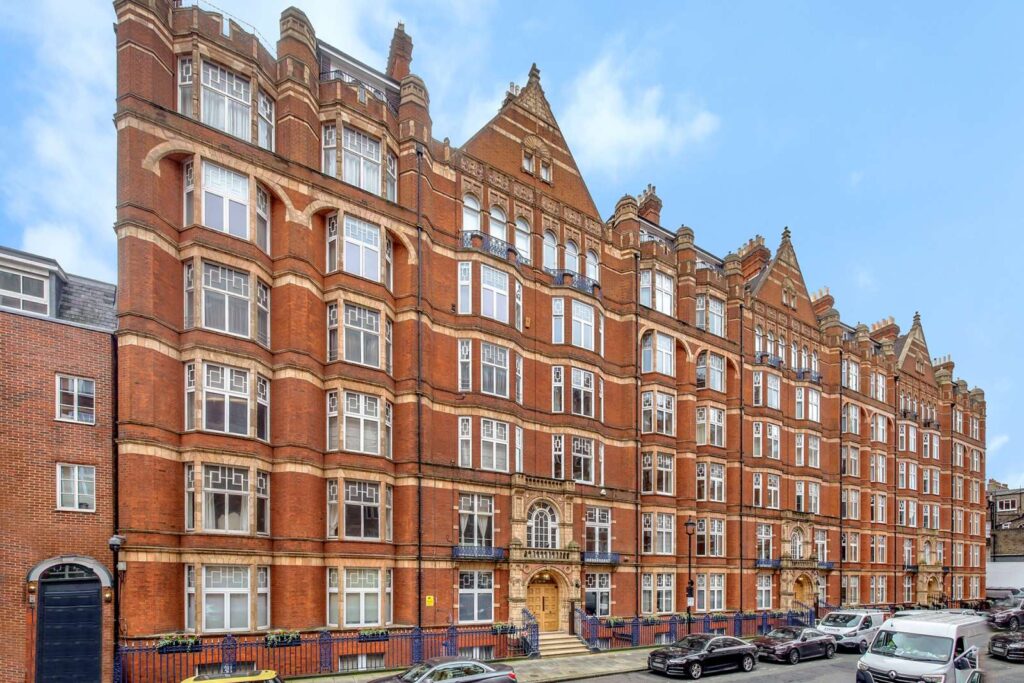
Constructed in the 1890s, Bickenhall Mansions reflects the architectural vision of the era. Mansion blocks like this were designed to bring a sense of community while maintaining the exclusivity of private living. The building’s ornate red-brick façade, intricate stonework, and grand entrances speak to the craftsmanship of Victorian London.
Bickenhall Mansions is also historically tied to Marylebone’s development into one of London’s most fashionable districts. The mansion block provided an alternative to sprawling townhouses, appealing to families and professionals who valued location, style, and modern amenities for their time. Today, the building retains much of its original character while having undergone renovations to meet contemporary standards of comfort.
Bickenhall Mansions in the Modern Era
While its exterior preserves Victorian architectural charm, Bickenhall Mansions has adapted to modern living. Many apartments inside have been refurbished with high-end finishes, contemporary kitchens, and advanced heating systems while still retaining period features such as high ceilings and sash windows.
The building offers a unique lifestyle by blending heritage and modernity. Residents enjoy the prestige of living in a historic London mansion block, while also benefiting from proximity to Regent’s Park, Baker Street Underground Station, and Marylebone High Street. This combination makes Bickenhall Mansions attractive to both local professionals and international residents seeking a balance between luxury and convenience.
Real-World Examples of Bickenhall Mansions and Comparable Mansion Blocks
Example 1: Bickenhall Mansions Apartments
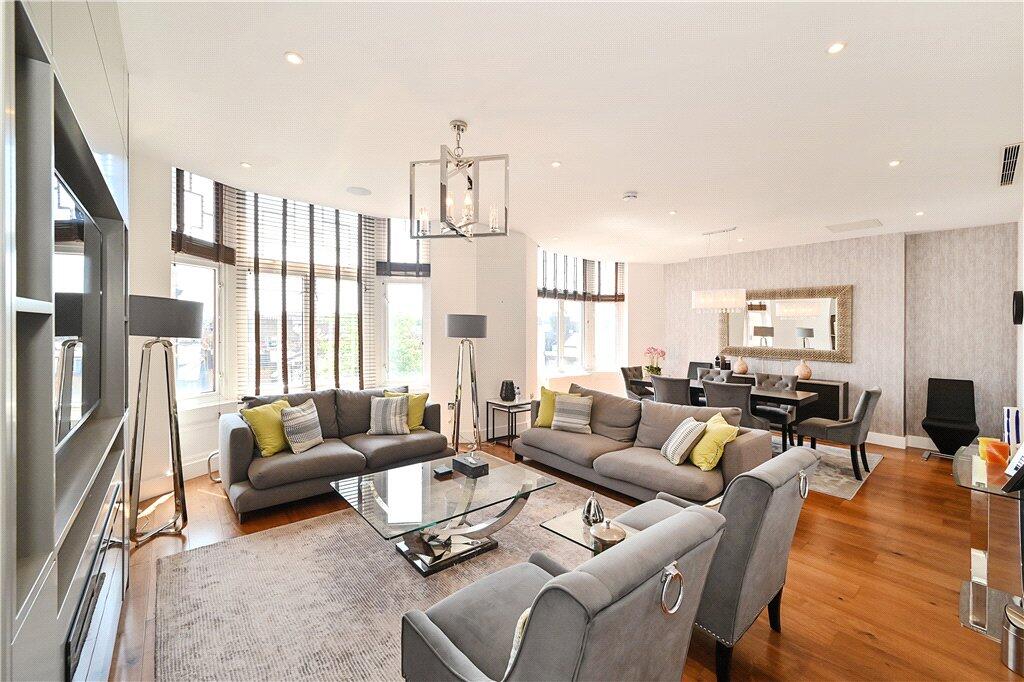
The apartments within Bickenhall Mansions themselves serve as prime examples of London’s mansion block lifestyle. Typically featuring two to four bedrooms, these apartments are known for spacious layouts and elegant proportions. Residents enjoy both period character and modern renovations, making them adaptable for diverse lifestyles.
For families, the large living spaces and proximity to schools make it practical, while professionals value the central location. The heritage aspect enhances the appeal, offering not just accommodation but also a connection to London’s architectural history.
Example 2: Harley House, Regent’s Park
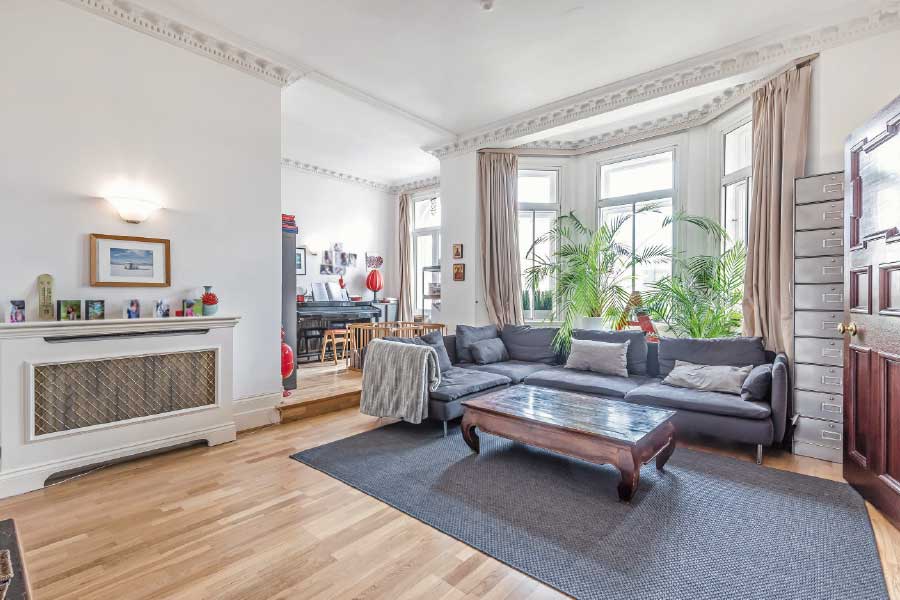
Just a short distance from Bickenhall Mansions is Harley House, another iconic mansion block overlooking Regent’s Park. Built in the early 20th century, Harley House is known for its spacious apartments and Art Deco influences. Like Bickenhall Mansions, it represents a blend of heritage architecture with modernized interiors.
Its proximity to Regent’s Park makes it an ideal choice for those who want to combine city living with access to green spaces. Harley House provides a useful comparison, showing how mansion blocks across London share similar principles but each carries its own distinctive character.
Example 3: Clarence Gate Gardens, Marylebone
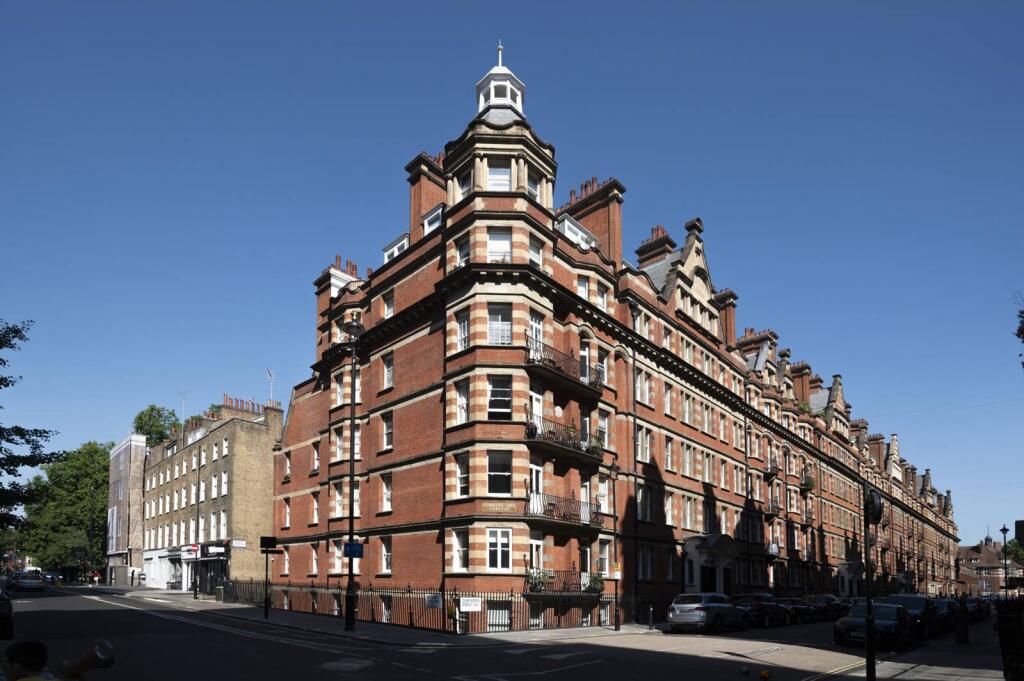
Another nearby mansion block is Clarence Gate Gardens, built in the Edwardian period. It features decorative brickwork, large bay windows, and an emphasis on light-filled apartments. Like Bickenhall Mansions, it has become a sought-after residential location due to its heritage charm and central location.
This example highlights the wider trend of mansion blocks in Marylebone and their enduring popularity. They continue to attract residents who appreciate architectural heritage, generous layouts, and the prestige of living in a historically significant building.
Example 4: Chiltern Court, Baker Street
Chiltern Court, located above Baker Street Station, provides another real-world case study. Built in the 1920s, it is slightly more modern than Bickenhall Mansions but still carries the grandeur of mansion block living. The apartments are known for their large interiors, some with views over Regent’s Park.
This example demonstrates how mansion blocks across different eras evolved to meet the changing needs of London’s residents. While each development has its unique characteristics, they all share the appeal of combining architectural beauty with practical urban living.
Benefits of Using Technology in Mansion Block Living
Technology has transformed life in historic mansion blocks like Bickenhall Mansions. Smart home integration, for example, allows residents to manage heating, lighting, and security systems in apartments that were originally built more than a century ago. This ensures comfort and efficiency while preserving the building’s heritage.
Virtual tours and digital platforms have also revolutionized the way people engage with properties like Bickenhall Mansions. Prospective buyers or tenants can explore apartments remotely, viewing details of period features and modern renovations. This global accessibility has increased interest in historic London mansion blocks from international markets.
Another major benefit is sustainability. Many mansion block refurbishments now incorporate eco-friendly technologies such as energy-efficient windows, improved insulation, and water-saving systems. This reduces environmental impact while ensuring that historic buildings remain relevant and functional for the future.
Use Cases: Why Bickenhall Mansions Are Valuable
Bickenhall Mansions addresses a number of real-world lifestyle needs. First, it solves the problem of balancing heritage with modern living. Residents enjoy the character of a Victorian building while benefiting from contemporary comforts aa nd a central location.
Second, it provides a sense of community. Mansion blocks were originally designed to foster shared living while maintaining private residences. Today, this concept continues to create a neighborly atmosphere in the heart of London.
Third, Bickenhall Mansions is valuable as an investment. Properties in Marylebone consistently hold their value due to location, heritage, and scarcity. Unlike modern high-rises that can be easily replicated, mansion blocks carry historical significance that cannot be recreated.
Finally, it provides adaptability. Whether used as a family home, professional residence, or pied-à-terre for international visitors, Bickenhall Mansions accommodates diverse needs while maintaining its timeless appeal.
FAQ
1. What makes Bickenhall Mansions different from other London apartments?
Bickenhall Mansions is a historic Victorian mansion block that combines heritage architecture with modern living. Unlike modern high-rises, it offers period charm, spacious layouts, and a prestigious location in Marylebone.
2. Are Bickenhall Mansions apartments suitable for families?
Yes, many of the apartments are spacious and located near schools, parks, and family-friendly amenities. The large layouts and secure building environment make them well-suited for families.
3. Why are mansion blocks like Bickenhall Mansions considered good investments?
Their combination of location, heritage, and limited supply makes them highly desirable. Mansion blocks are tied to London’s cultural and architectural history, ensuring long-term value and prestige in the property market.