Selling Mega Mansions: Insights, Strategies, and Real-World Examples
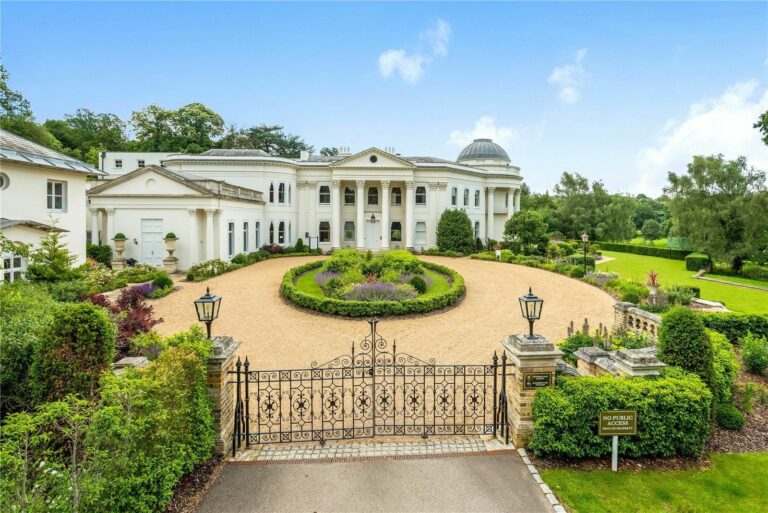
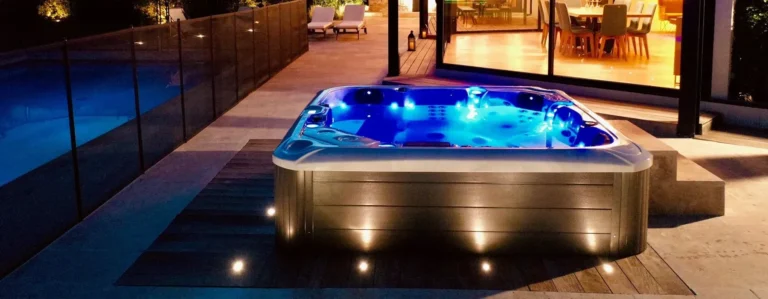
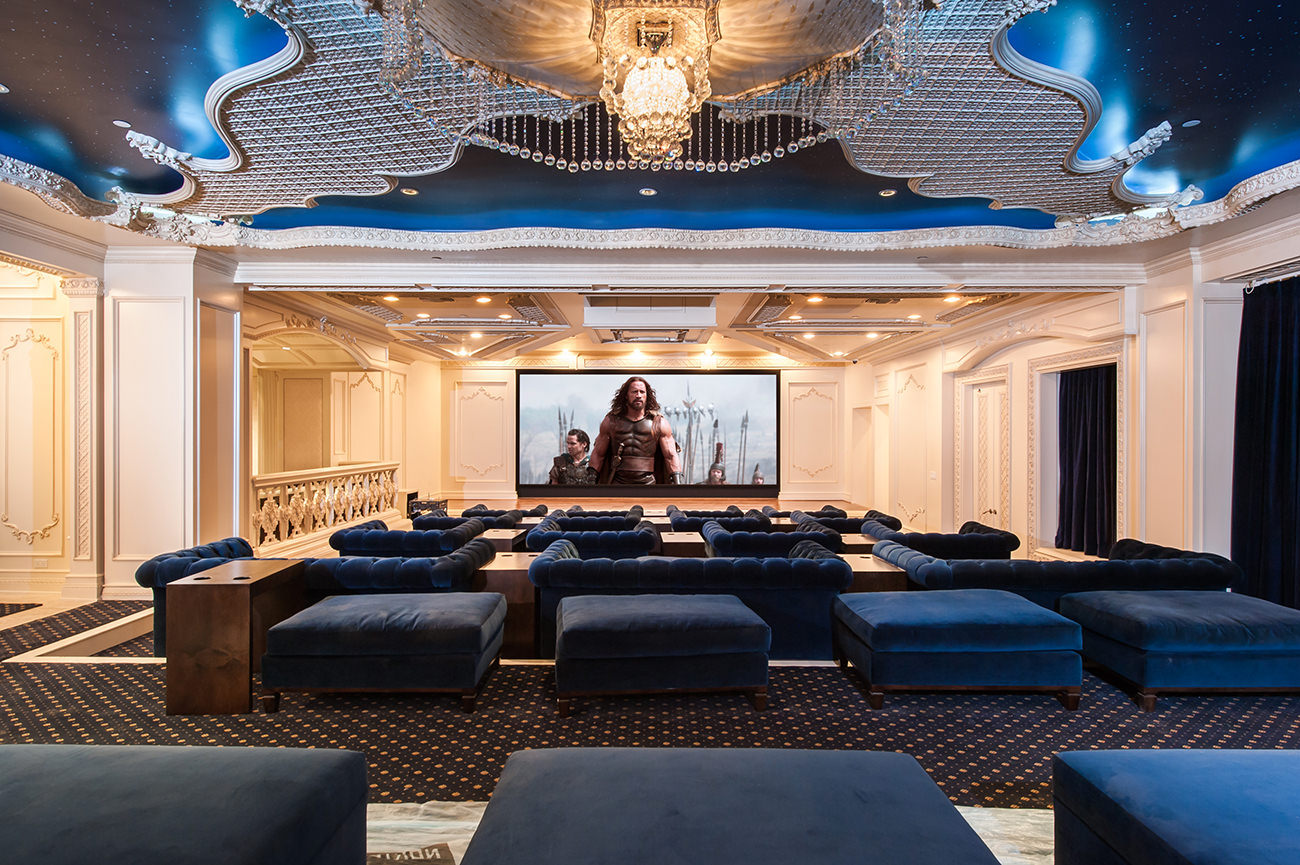
Selling mega mansions is not the same as selling an average family home. A mega mansion, typically valued in the tens of millions of dollars, represents not just property but also prestige, exclusivity, and lifestyle. These homes are often sprawling estates with architectural uniqueness, custom finishes, expansive land, and features such as private cinemas, wine cellars, or even personal spas.
The buyers of such properties are also different. They are usually high-net-worth individuals, celebrities, or international investors looking for unique assets. Their expectations go far beyond functionality; they seek rarity, prestige, and an unmatched living experience. Understanding this market is the foundation of successful selling strategies for mega mansions.
Key Strategies in Selling Mega Mansions
The Role of Storytelling in Luxury Real Estate
When selling a mega mansion, agents are not merely showing square footage or the number of rooms. Instead, they are selling a story. A mega mansion must be positioned as an exclusive lifestyle choice, where every feature contributes to a narrative of luxury. For example, a waterfront mega mansion in Miami is marketed not only for its size but also as a gateway to a glamorous oceanfront lifestyle.
Storytelling also helps to connect emotionally with buyers. Instead of presenting a wine cellar as just a storage room, agents describe it as a curated space for hosting intimate gatherings, wine tastings, and memorable evenings. This approach turns features into experiences, increasing the property’s perceived value.
Leveraging High-Tech Marketing Tools
Selling mega mansions requires advanced marketing strategies that go beyond traditional listings. Virtual reality tours, drone footage, and 3D architectural walkthroughs have become essential. These tools allow potential buyers from across the globe to experience the property remotely.
For instance, a buyer in London can tour a mega mansion in Beverly Hills through an immersive VR experience. This not only saves time but also broadens the pool of potential buyers. High-resolution photography, cinematic video tours, and augmented reality apps also play a role in showcasing a mansion’s scale and detail in ways that static images cannot.
Real-World Examples of Selling Mega Mansions
Example 1: The One in Bel-Air, Los Angeles
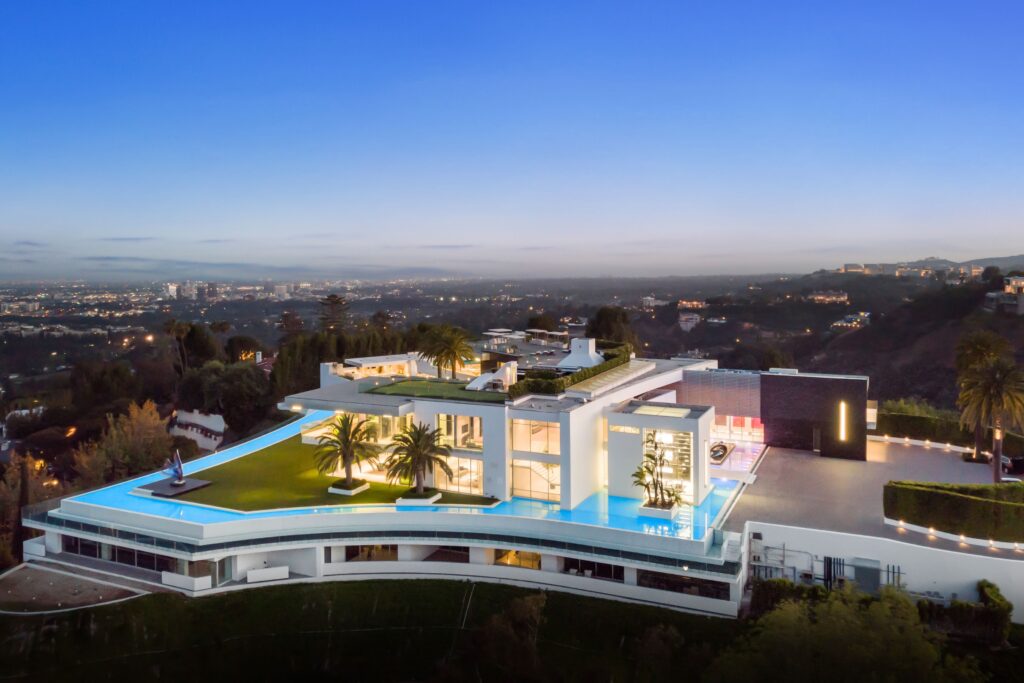
One of the most famous examples of a mega mansion sale is The One, located in Bel-Air. Once listed for $295 million, this property became the talk of the luxury real estate market. Featuring 21 bedrooms, 42 bathrooms, a 5,500-square-foot master suite, a nightclub, and even a four-lane bowling alley, it exemplified extreme luxury.
The marketing of this mega mansion focused heavily on exclusivity and scale. The estate was positioned as the largest and most extravagant private residence in the United States. Although the price was later adjusted, the property still drew international attention and media coverage, proving the power of branding in mega mansion sales.
Example 2: Villa Firenze in Beverly Hills
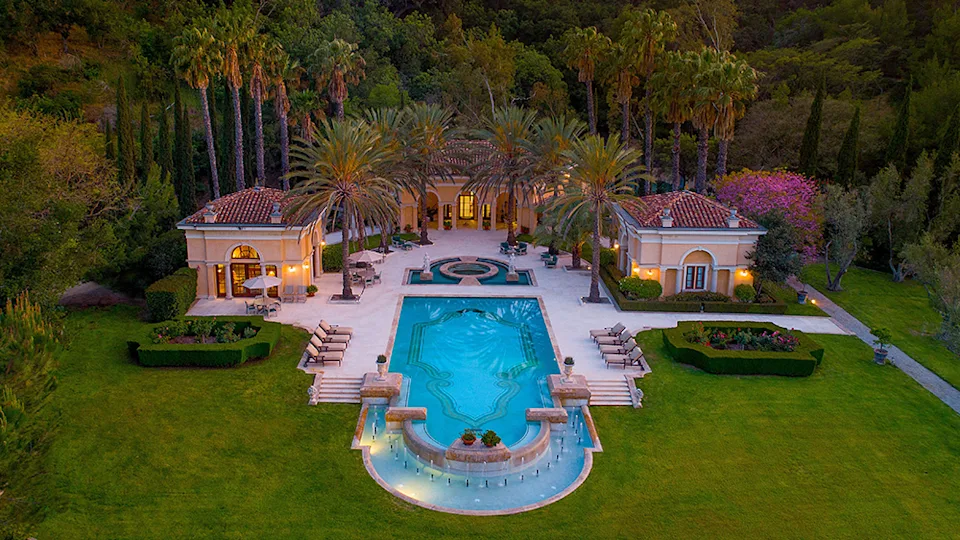
Villa Firenze, once listed for $160 million, is another iconic mega mansion that demonstrates the art of high-end selling. Located in Beverly Hills, the estate spans nine acres and includes a 20,000-square-foot home with Italian-inspired architecture. It also boasts manicured gardens, tennis courts, and guest houses.
The selling strategy involved emphasizing heritage and timeless luxury. Unlike ultra-modern properties, Villa Firenze was marketed as a mansion with a sense of history, grandeur, and old-world craftsmanship. By highlighting its uniqueness, the property stood out in a highly competitive market.
Example 3: Palazzo di Amore, Los Angeles

Palazzo di Amore, a Beverly Hills mega mansion listed at around $195 million, showcased another dimension of luxury selling. The estate features a vineyard that produces its own wine, a 50-seat movie theater, and a ballroom with a rotating dance floor.
What made the sale of Palazzo di Amore distinctive was its lifestyle integration. The vineyard, for instance, was marketed as a chance for buyers to own a fully functioning private wine estate, elevating the experience from merely owning property to owning an exclusive brand. This illustrates how features must be transformed into experiences when selling mega mansions.
Example 4: Xanadu 2.0, Medina, Washington
Bill Gates’s residence, known as Xanadu 2.0, while not traditionally listed on the open market, often serves as a benchmark for mega mansion design and value. Estimated at over $130 million, the mansion integrates cutting-edge technology with eco-friendly architecture.
The property demonstrates the growing importance of technology in luxury real estate. From climate control systems to personalized lighting and smart security, Xanadu 2.0 exemplifies how innovation can add to a mega mansion’s appeal. For sellers, this highlights the need to emphasize technological integration as a selling point.
Benefits of Using Technology in Selling Mega Mansions
Technology has revolutionized the luxury real estate industry, particularly when selling mega mansions. One of the main benefits is global reach. Through VR tours and high-quality video presentations, properties can be marketed to international buyers without requiring them to visit physically. This significantly expands the potential buyer base.
Another advantage is enhanced presentation. Drone footage showcases sprawling grounds and architectural details, while 3D walkthroughs allow buyers to experience the scale of a mansion in detail. Technology also enables customization, such as allowing buyers to visualize interior design changes in real time, creating a stronger emotional connection with the property.
Lastly, technology streamlines the selling process. From virtual meetings to blockchain-enabled transactions, it reduces time, increases efficiency, and makes purchasing mega mansions more convenient for high-profile clients who value privacy and speed.
Use Cases: Why Selling Mega Mansions is Unique
Selling mega mansions is not just about property; it solves real challenges in the luxury market. One common issue is reaching international clients who may never visit the property before purchase. With virtual technologies and storytelling, sellers can overcome this distance barrier.
Another challenge is differentiation. In markets like Los Angeles or Miami, where luxury homes are abundant, mega mansions risk blending into the crowd. By focusing on unique features such as a vineyard, private spa, or heritage design, sellers can make the property stand out.
Finally, selling mega mansions addresses the demand for exclusivity. High-net-worth buyers are not just purchasing homes; they are purchasing statements. These properties often serve as symbols of status, investments, and legacies. Effective selling strategies highlight these aspects, making the sale more than a transaction; it becomes a transfer of lifestyle.
FAQ
1. What makes selling mega mansions different from selling regular luxury homes?
Mega mansions are distinguished by their scale, price, and exclusivity. They require tailored marketing strategies, advanced technology, and an emphasis on lifestyle rather than just features.
2. How important is technology in selling mega mansions?
Technology is critical. Virtual tours, drone footage, and 3D walkthroughs allow global buyers to explore properties remotely, making the process more efficient and appealing.
3. Who typically buys mega mansions?
Buyers are often high-net-worth individuals, celebrities, business magnates, or international investors seeking exclusivity, prestige, and a lifestyle experience beyond ordinary luxury homes.